Hinduism (The Vedas and Puranas)
The connection between ancient India and ancient Iran is profound, as the authors of the Rigveda (Indo-Aryans) and the Avesta (Indo-Iranians) shared a common ancestry.
The "Parsu" Tribe: In the Rigveda (specifically Book 6, Hymn 27 and Book 10, Hymn 86), there is mention of a people called the Parsus.
The Asura/Ahura Split: One of the most fascinating "mentions" is the theological inversion. In the Hindu Vedas, Devas are gods and Asuras are demons.
The Puranas: Later Hindu texts like the Vishnu Purana mention the Pahlavas (Parthians/Persians) as a warrior tribe from the west.
Frequency: The term "Parsu" or "Pahlava" appears roughly 10 to 20 times across various Vedic and Puranic layers, usually in lists of foreign tribes or legendary battles.

Buddhism (The Pali Canon and Sutras)
In ancient Buddhist texts, references to Iran are primarily geographical and geopolitical, focusing on the northwestern frontier of the Indian subcontinent.
The Kamboja Mahajanapada: The Anguttara Nikaya (part of the Sutta Pitaka) lists the "Sixteen Great Kingdoms" (Mahajanapadas). One of these is Kamboja, located in what is now eastern Afghanistan and Tajikistan. The Kambojas are widely considered by historians to have been an Iranian-speaking people.
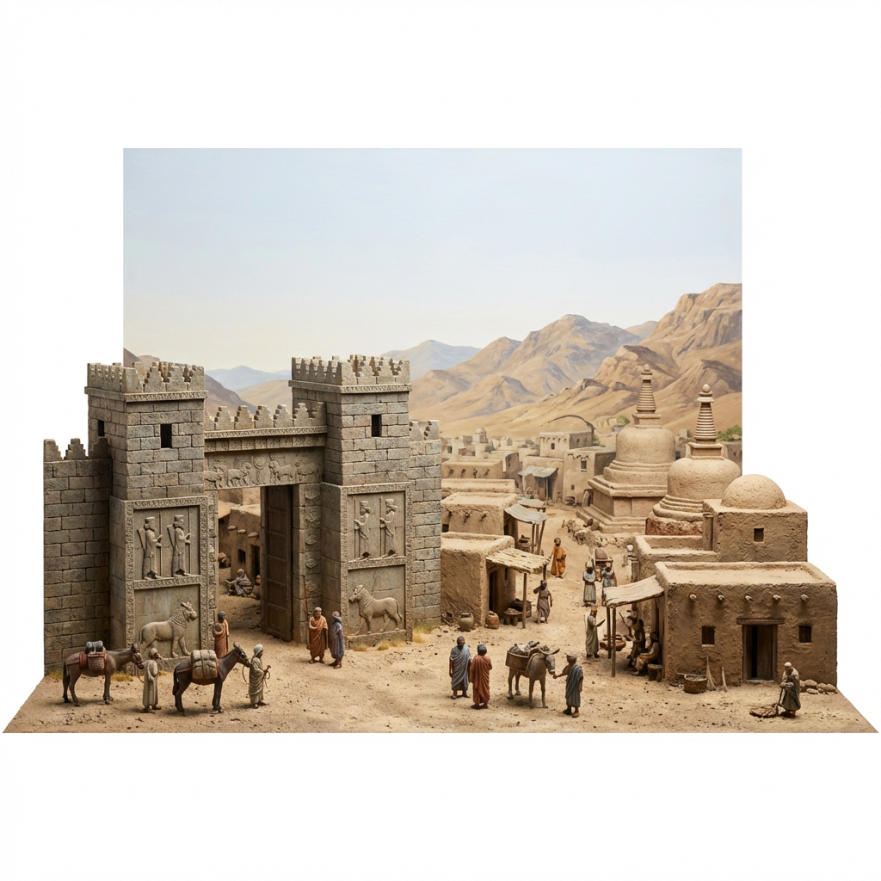
Gandhara: Frequently mentioned in Buddhist Jataka tales, Gandhara was a satrapy (province) of the Persian Achaemenid Empire under Cyrus and Darius.
Frequency: Mention of "Kamboja" and "Gandhara" occurs dozens of times throughout the Pali Canon, though they are described as regional neighbors rather than a singular "Persian Empire."
Sikhism (Guru Granth Sahib)
The Guru Granth Sahib does not mention Persia as a political entity in a historical sense, but it is deeply infused with the Persian language.
Linguistic Presence: Because North India was under the influence of the Persian-speaking Mughal courts and Sufi mystics, the Guru Granth Sahib contains hundreds of Persian words (Farsi) to describe God (e.g., Parvardigar—The Cherisher).
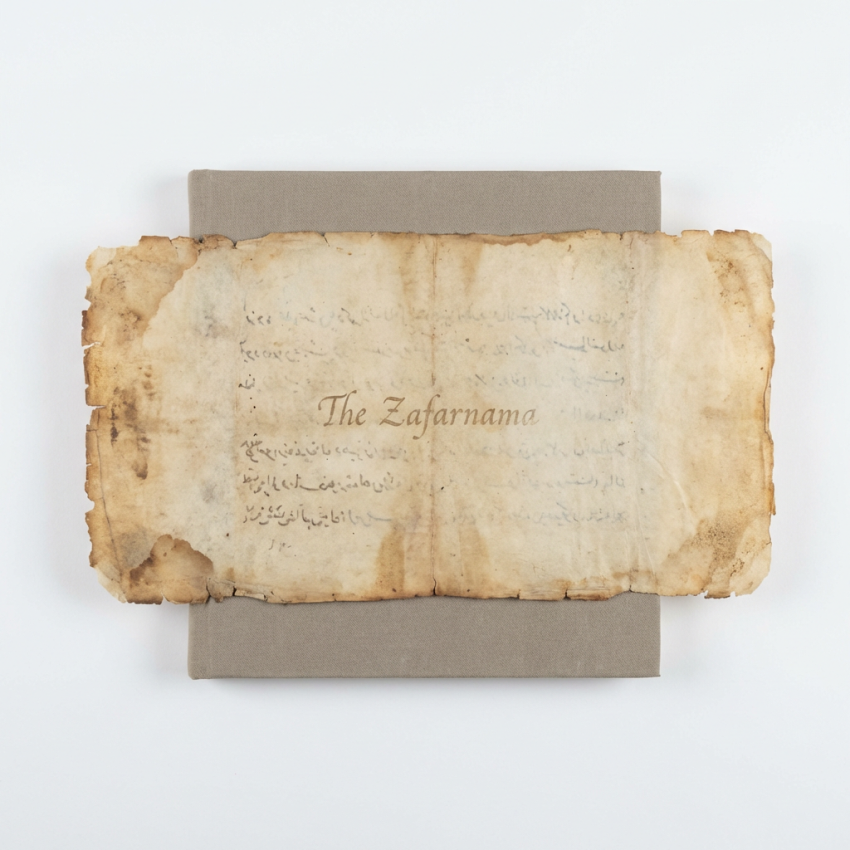
The Zafarnama: While not in the primary Guru Granth Sahib, the Dasam Granth (associated with the tenth Guru, Gobind Singh) contains the "Zafarnama" (Epistle of Victory), written entirely in Persian verse.
Frequency: Direct references to "Khurasan" (a major region of Greater Iran) appear twice in the Guru Granth Sahib in the context of Babur’s invasions.