
1. The Prophecies of Nostradamus (Les Prophéties)
The 16th-century French astrologer Michel de Nostradamus is perhaps the most famous non-biblical "prophet." He frequently used the name "Persia" (Perse) to refer to the region.
Mentions: There are approximately 5 to 8 direct mentions of Persia in his quatrains, often in the context of war between the East and West.
Key Quatrains:
Century 1, Quatrain 70:"Rain, famine and war will not cease in Persia; too great a faith will betray the monarch.
Century 3, Quatrain 27: Mentions a leader from Persia seizing "Trebizond" (a city in modern Turkey) and causing the "Sea of Adria" to be covered in blood.
Century 5, Quatrain 25: Refers to the "Arabian Prince" and "Mars in Leo," with the church being overcome "towards Persia."

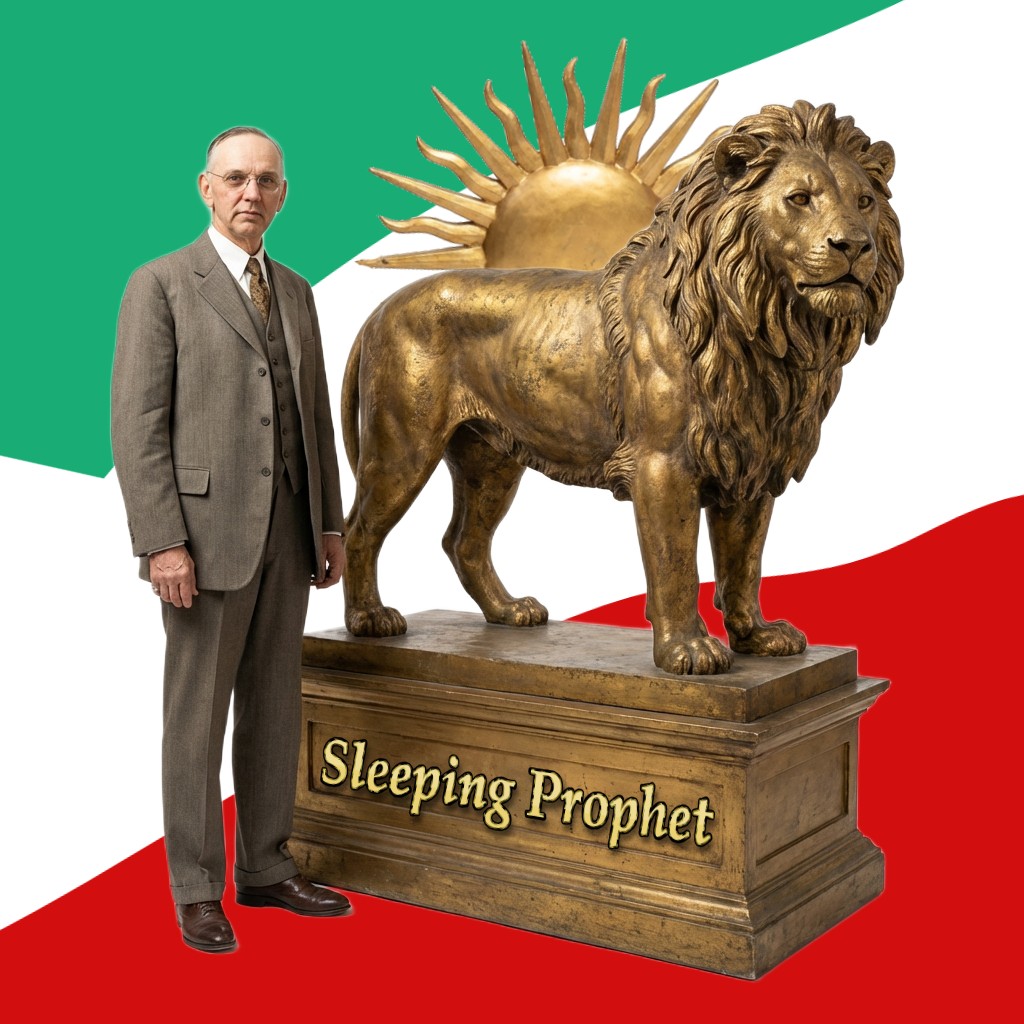
2. Edgar Cayce ("The Sleeping Prophet") Edgar Cayce, the famous American clairvoyant (1877–1945),
gave over 14,000 "readings" while in a trance. He spoke of Iran both
in a historical-mystical sense and a future-prophetic sense.
Mentions: He referenced the region or its ancient systems in at least 10 to 15
different readings.
The
Context: Cayce spoke of an ancient, "pure" civilization that
existed in the plains of modern-day Iran long before the Persian Empire,
which he claimed was a center of healing and the true origin of the
Zoroastrian faith.
Future
Conflicts: In Reading 3976-26, he specifically warned of future
"strifes" that would arise in the "Persian Gulf" and areas near Syria and Ankara as part of a global shifting of powers.
3. The Sibylline Oracles
These are a collection of "prophetic"utterances writtenby various authors over several centuries (from the 2nd
century BC to the 6th centuryAD). While they have religious overtones, they
were originally political/secular "prophecies" used by the Greeks and
Romans.
Mentions: Persia is mentioned dozens of times (estimatesrange from 20 to 40
references).
The
Context: The oracles frequently predict the "downfall of Persia"
or its future rise to challenge Rome. One famous passage predicts that
"the wealth of Rome" will eventually be returned to the
"land of Asia" (meaning the Persian-influenced East).
4. Modern "Prophetic" Futurism
In the realm of secular literature that is often called
"prophetic" for its accuracy:
H.G.
Wells: In his 1933 book The Shape of Things to Come (a
fictional "future history" book), Wells mentions the region in
the context of the "Middle Eastern wars" of the 1940s and 50s.
George
Orwell: While he does not name "Iran" in 1984, modern
political prophets and commentators reference the book's "Ministry of
Truth" and surveillance state thousands of times in relation to
modern Iranian governance.
5. Other Occult/Mystical References
Mother Shipton: The 15th-century English prophetess is often cited for predicting modern inventions, but there is no verified mention of Persia or Iran in her authentic surviving verses.
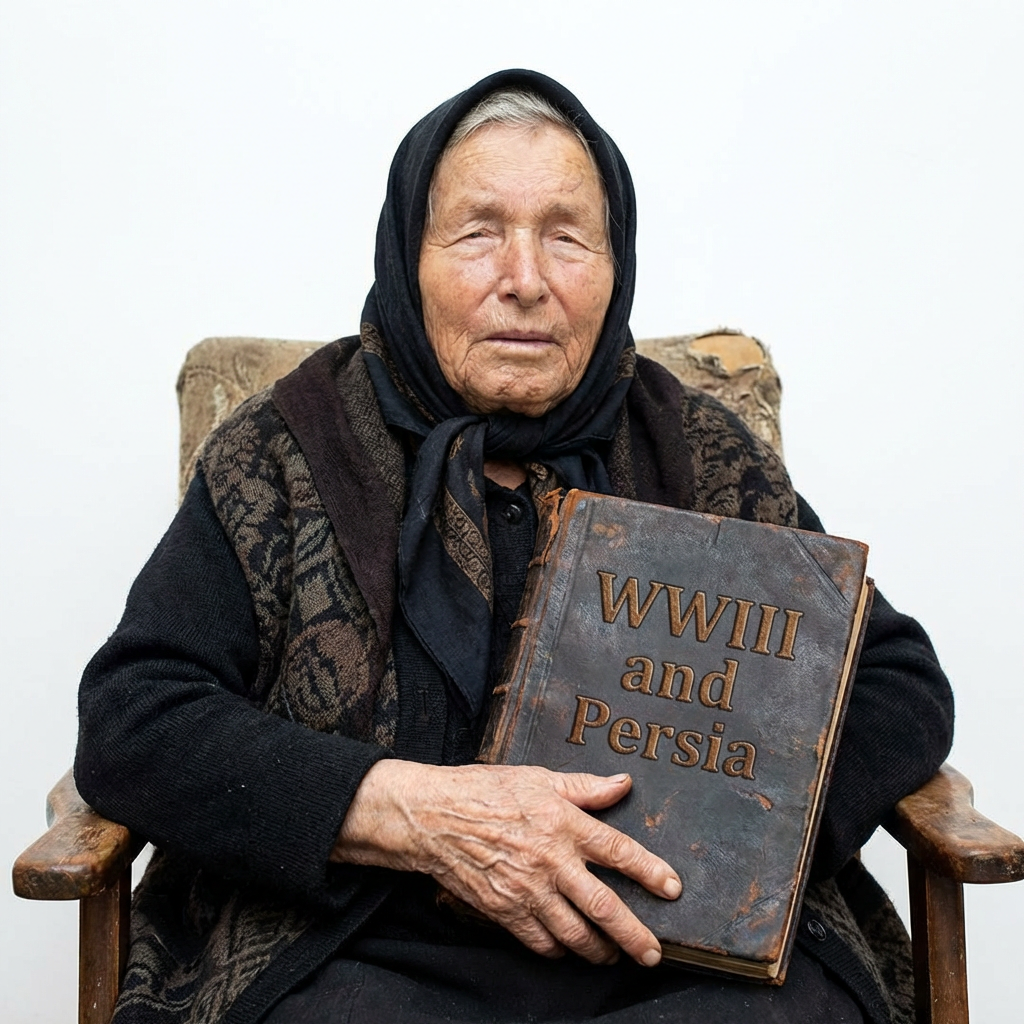
Baba Vanga: The Bulgarian mystic (1911–1996) is often credited by followers with predicting a "Great Islamic War" starting in the East. While her followers frequently name Iran as a key player in her "WWIII" predictions for the mid-2020s, the transcripts of her words rarely use the specific name "Iran" or "Persia," preferring general terms like "The East."