
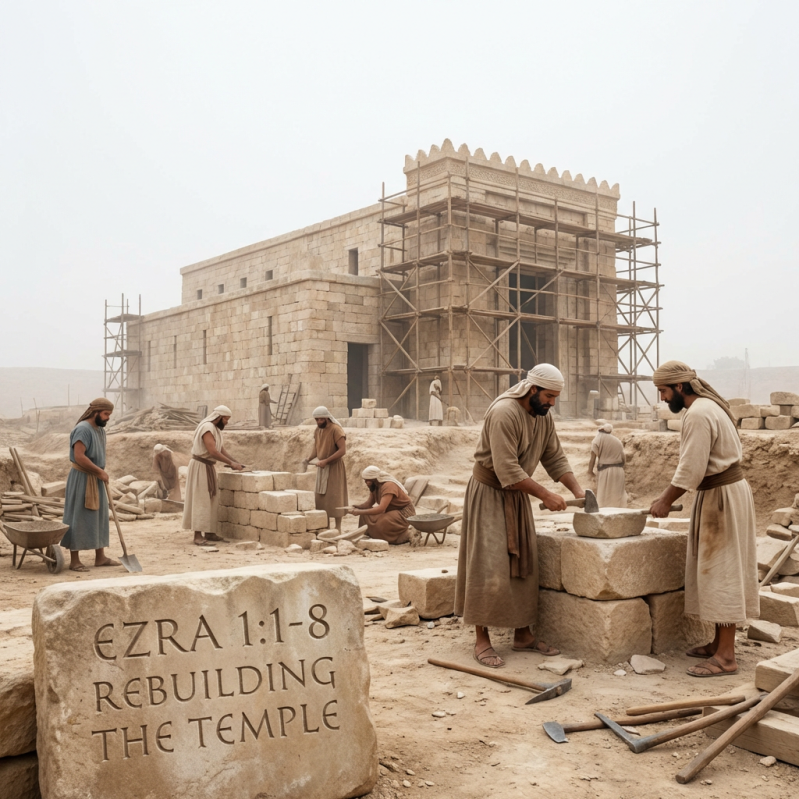
The Bible frequently references Persia (ancient name for the region encompassing modern-day Iran) and related areas like Elam (a southwestern Iranian region) and Media (northwestern Iran). These mentions occur primarily in the Old Testament, reflecting historical interactions between the Persian Empire and the Jewish people during the 6th-4th centuries BCE. Persia is portrayed as a powerful empire that conquered Babylon in 539 BCE, leading to the end of the Jewish exile and the reconstruction of the Temple in Jerusalem. Key Persian kings such as Cyrus the Great, Darius I, and Xerxes (Ahasuerus) are named, often in a positive light for their policies toward the Jews. The term "Persia" appears about 29 times in the Bible, while "Elam" (linked to ancient Iran) appears around 28 times, and "Media" about 7 times.
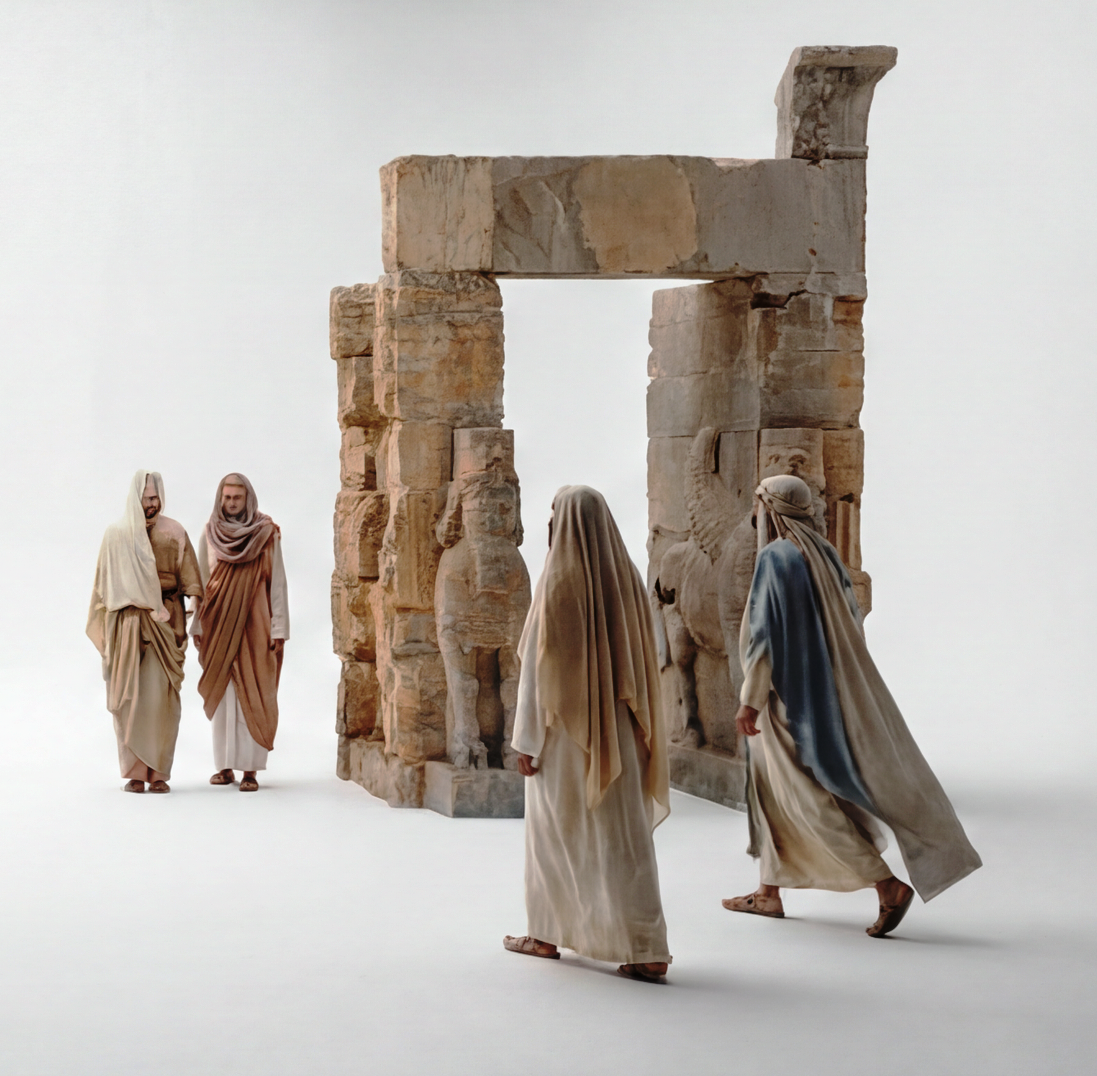
Chronicles 36:20-23:
Describes the Babylonian captivity
ending with the rise of Persia. Cyrus king of Persia issues a decree allowing
Jews to return to Jerusalem and rebuild the Temple, fulfilling Jeremiah's
prophecy. This marks the transition from Babylonian to Persian rule: "Thus
says Cyrus king of Persia, 'The Lord, the God of heaven, has given me all the
kingdoms of the earth, and he has charged me to build him a house in
Jerusalem...'"
This event is dated around 538 BCE.
Ezra
Nehemiah
Esther
Isaiah
Jeremiah
Ezekiel
Daniel
Acts (New Testament)
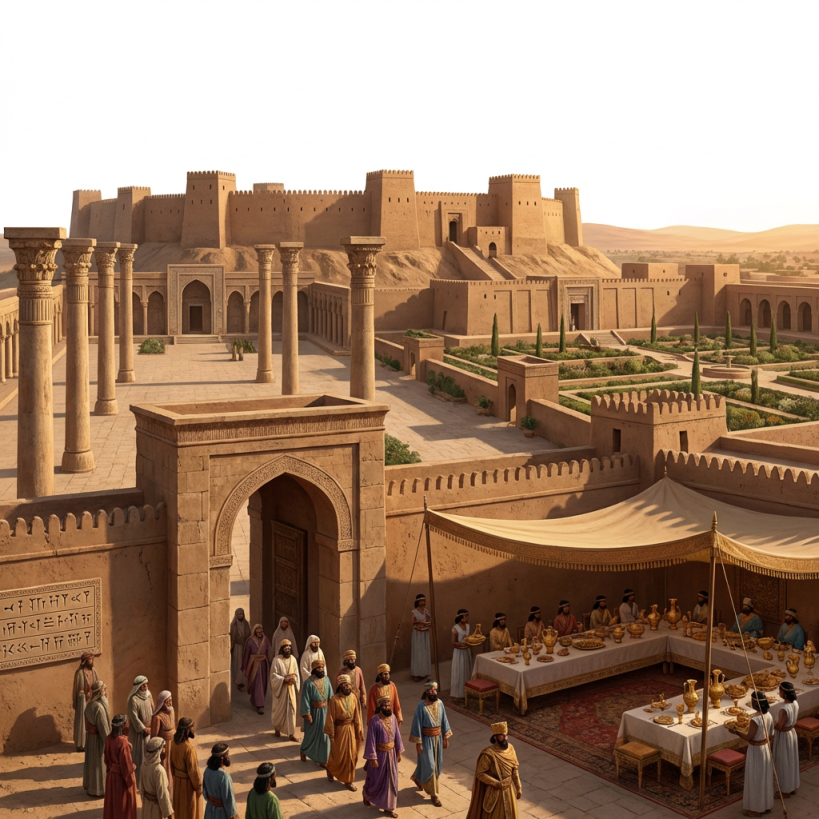
Historically, these mentions align with the Achaemenid Persian Empire (550-330 BCE), which was tolerant of Judaism, allowing temple reconstruction and self-governance. Elam (Susiana) was integrated into Persia, and Media was a key ally. No direct mention of "Iran" (a 20th-century name), but "Persia" and related terms clearly refer to the same geographic and cultural sphere.